
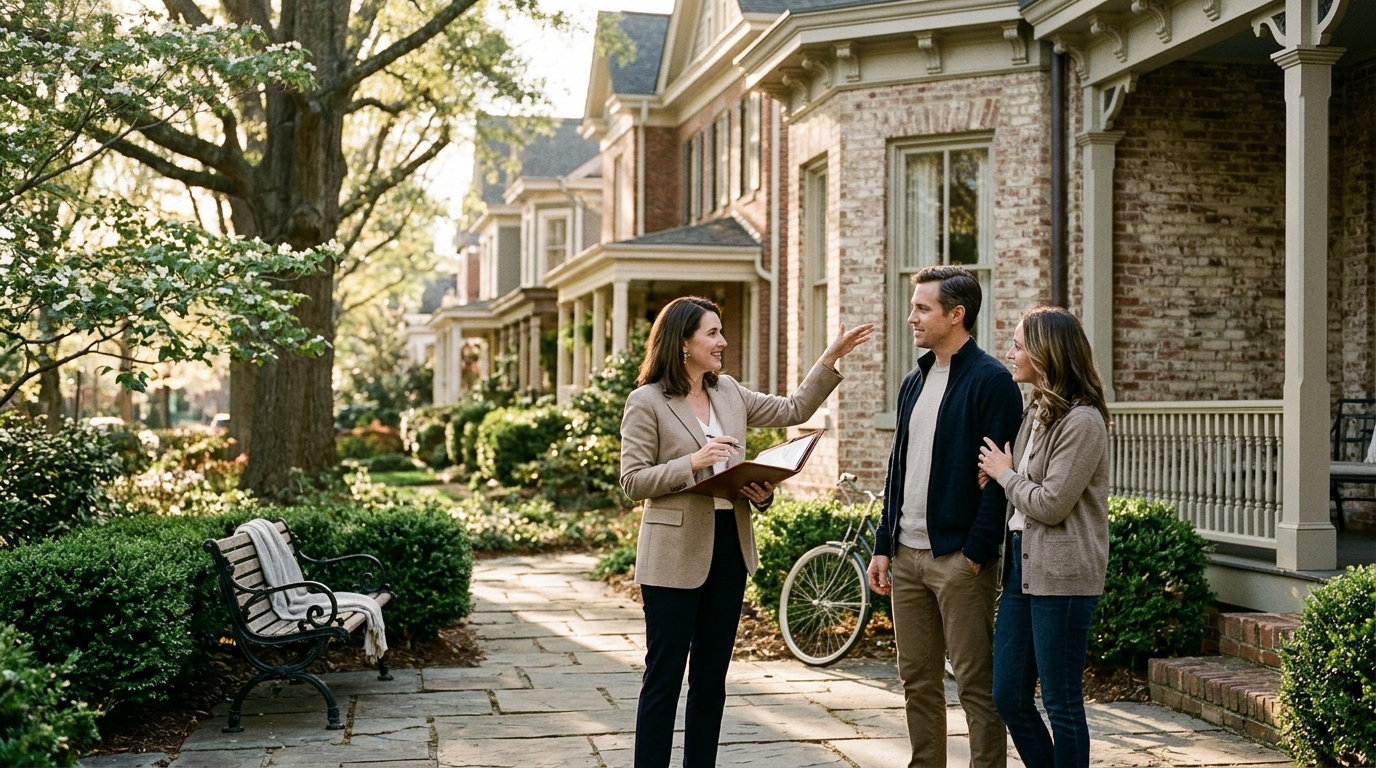
When buying a home in Raleigh's historic districts, your realtor's understanding of preservation rules is critical. These regulations dictate what you can change, how you must maintain the exterior, and how long approvals take. Anne Godwin Realtor specializes in these complex markets, ensuring you understand the legal and aesthetic constraints before you sign a contract. Ignoring these rules can lead to costly fines or stalled renovations.
What Is Historic Preservation in Raleigh?
Historic preservation is the practice of maintaining and protecting buildings and neighborhoods that hold cultural or architectural significance. In Raleigh, this is managed through local historic districts and the City's Historic Preservation Commission. These areas are not just old; they are legally designated zones with specific standards for design and maintenance. Understanding this definition is the first step in evaluating your agent's expertise.
The City of Raleigh designates these districts to protect the character of neighborhoods like Historic Oakwood and Mordecai. A realtor who knows the difference between a local historic district and a state-listed property can advise you on the specific level of oversight you will face. This knowledge prevents surprises during the renovation process.
The Role of the Historic Preservation Commission
The Historic Preservation Commission is the local body that reviews and approves changes to properties within designated districts. They do not just look at aesthetics; they ensure that changes are compatible with the historic character of the neighborhood. Your realtor should be familiar with the commission's meeting schedules and approval timelines.
For example, if you plan to replace windows or paint a facade in Hayes Barton, you must submit an application to the commission. A knowledgeable agent will tell you that this process can take several weeks or months. They will also advise you on the likelihood of approval based on past precedents in that specific neighborhood. This proactive guidance is a hallmark of a specialist agent.
Certificates of Appropriateness Explained
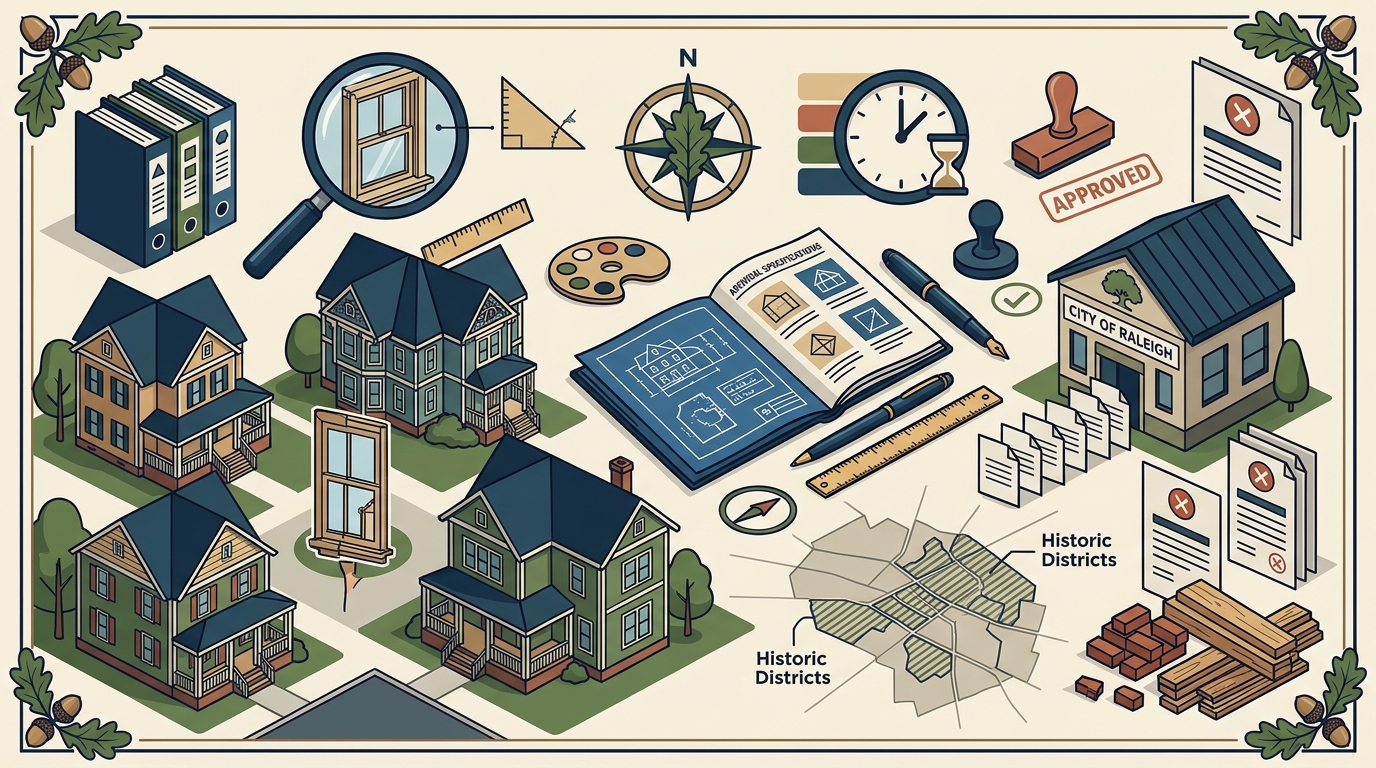
A Certificate of Appropriateness (COA) is a permit required for any exterior alteration, addition, or demolition within a historic district. It is not a standard building permit; it is a separate review process focused on design compatibility. You cannot start construction until you have both the COA and the standard building permits.
Many buyers assume that because a house is old, they can do whatever they want. This is a dangerous misconception. In districts like Budleigh or Country Club Hills, the COA process is rigorous. Your realtor should be able to explain the documentation required, such as elevation drawings and material samples. They should also warn you about common pitfalls, such as choosing modern materials that clash with the historic streetscape.
Neighborhood-Specific Preservation Rules
Each historic district in Raleigh has its own unique character and set of guidelines. Historic Oakwood, for instance, is known for its 19th-century architecture and strict maintenance standards. Exploring historic homes in Raleigh reveals that Oakwood's rules are particularly detailed regarding rooflines and porch designs. In contrast, Mordecai has a mix of styles, which allows for slightly more flexibility in design choices.
A realtor who has worked in multiple ITB neighborhoods can compare these rules for you. They will know that a change acceptable in Five Points might be rejected in Hayes Barton. This comparative knowledge helps you choose a neighborhood that aligns with your renovation goals. It also helps you budget for the time and cost of the approval process.
Why Specialist Agents Matter for Historic Homes
Generalist agents may not have the time or interest to study the nuances of historic preservation. A specialist, however, builds relationships with commission members and local architects. Anne Godwin Luxury Living provides this level of expertise, helping clients navigate the bureaucratic and design challenges of historic properties. This specialized knowledge can save you thousands of dollars in rejected applications and rework.
When you hire a specialist, you are hiring a guide who has walked this path before. They will know which architects and contractors are experienced with COA applications. They will also understand the market value of a well-maintained historic home versus one that has been poorly altered. This insight is invaluable when negotiating a purchase price.
Key Takeaways
- Historic preservation is a legal framework that restricts exterior changes in designated Raleigh districts.
- The Historic Preservation Commission must approve all exterior alterations via a Certificate of Appropriateness.
- Approval timelines can be lengthy, so factor this into your renovation schedule.
- Each neighborhood, such as Oakwood or Mordecai, has unique design guidelines.
- A specialist realtor can predict approval outcomes and connect you with experienced contractors.
- Ignoring preservation rules can result in fines and forced reversions of changes.
- Market value is often higher for homes that adhere to historic standards.
Frequently Asked Questions
Do I need a permit to paint my historic home?
Yes, in most Raleigh historic districts, you need a Certificate of Appropriateness to change the exterior color. The commission reviews the color choice to ensure it fits the neighborhood's palette.
How long does the COA process take?
The timeline varies, but it can take several weeks to a few months. Your realtor can provide estimates based on the current workload of the commission.
Can I demolish a historic home?
Demolition is heavily restricted and often prohibited in historic districts. You would need a special exemption, which is rarely granted.
What happens if I make changes without approval?
You may face fines and be required to reverse the changes at your own expense. This can be a significant financial burden.
Does a realtor need to be an architect to help?
No, but they should be familiar with the process and have a network of architects and contractors who are. A specialist agent knows who to call.
Are all old homes in Raleigh in historic districts?
No, only homes within designated districts are subject to these specific rules. However, many older neighborhoods in Raleigh are designated.
Conclusion
Understanding historic preservation rules is essential for any buyer in Raleigh's ITB neighborhoods. Your realtor's knowledge of these regulations can make or break your investment. Contact Anne Godwin to learn how her expertise in historic properties can guide you through the process with confidence.