
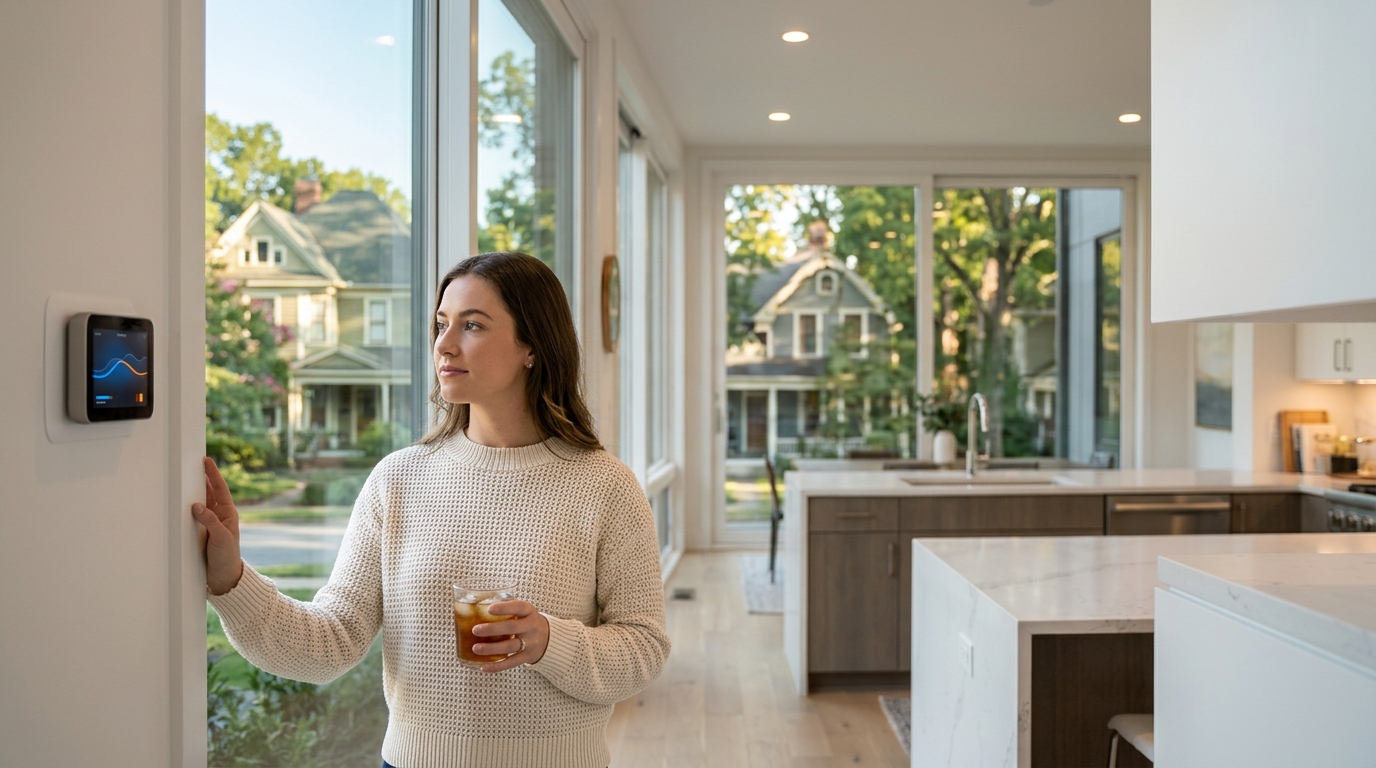
The Baseline Cost of Heating and Cooling
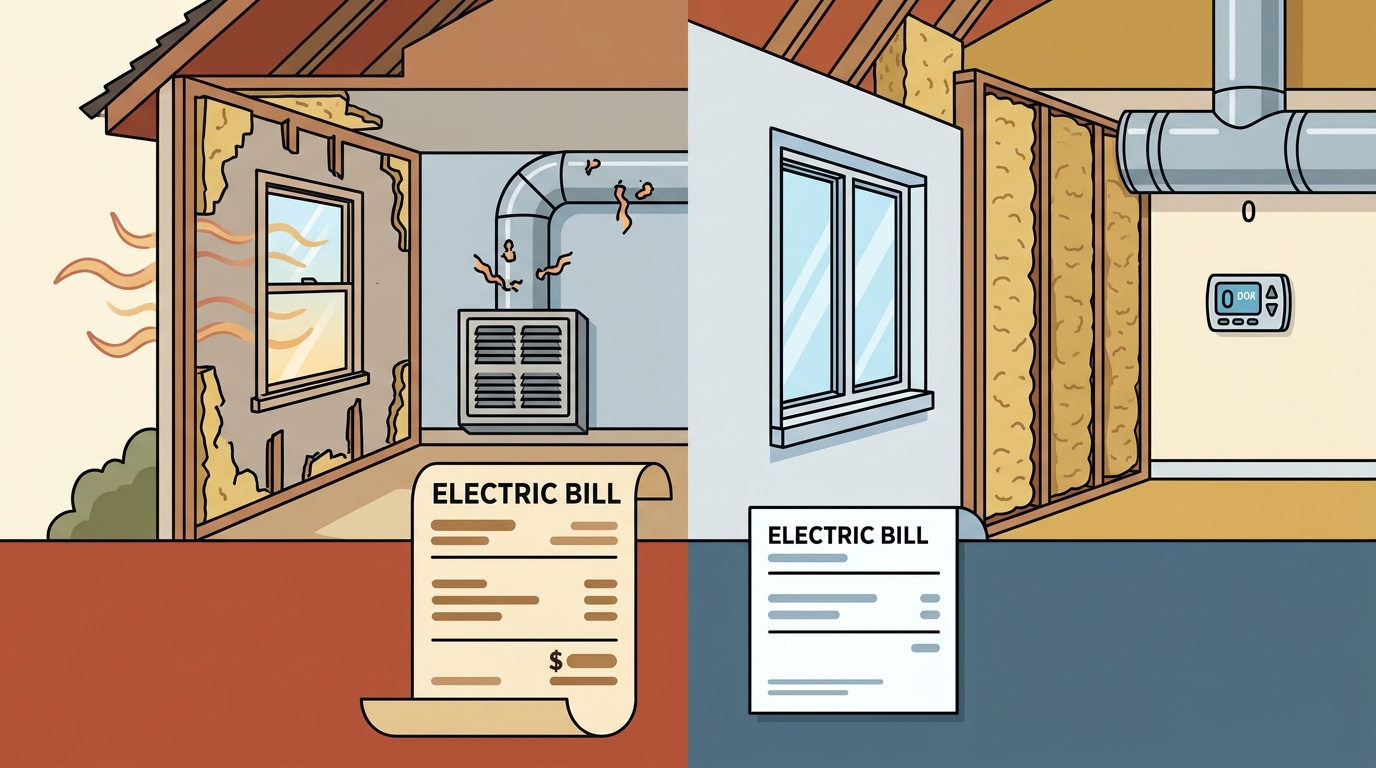
Older homes often lack the efficiency standards required for modern construction. Without proper insulation or modern ductwork, energy escapes through walls, roofs, and windows. This leads to higher consumption and larger monthly bills. Buyers should expect these costs to be a recurring monthly expense rather than a one-time purchase cost.
Why New Construction Is More Efficient
New construction homes are built to current energy codes, which mandate higher efficiency standards. These codes require better insulation, airtight sealing, and high-performance windows. As a result, new homes consume less energy to maintain comfortable temperatures. This efficiency translates directly into lower utility bills for the homeowner.
Modern HVAC systems in new builds are also more efficient than older units. Many new homes use ductless systems or high-efficiency heat pumps that use less electricity. The ENERGY STAR program highlights that these systems can significantly reduce energy use. For buyers in Raleigh, this means a new build in a neighborhood like Mordecai may have lower operating costs than a historic home in Hayes Barton.
The Impact of Windows and Insulation
Windows are a major source of energy loss in older homes. Single-pane windows, common in historic properties, allow heat to escape in winter and enter in summer. Replacing these with ENERGY STAR certified windows can lower energy bills by up to 13 percent. This upgrade is one of the most effective ways to improve an older home's efficiency.
Insulation levels also differ significantly between older and newer homes. Older homes often have less insulation in attics and walls, leading to higher energy use. New construction homes are required to have higher R-values for insulation, which reduces the load on HVAC systems. Buyers should consider the cost of these upgrades when evaluating an older home's total cost of ownership.
Practical Considerations for Buyers
When comparing an older home to a new build, buyers should look at more than just the purchase price. The long-term cost of energy is a significant factor in the total cost of ownership. A new home may have a higher upfront cost but lower monthly bills. An older home may be cheaper to buy but more expensive to operate. according to Apartments in buildings
At Anne Godwin Luxury Living, we help clients evaluate these factors as part of their decision-making process. We provide insights into the energy profiles of different neighborhoods and home types. This information helps buyers make informed choices that align with their financial goals and lifestyle preferences.
Key Takeaways
- Heating and cooling account for nearly half of a home's energy use.
- New construction homes are built to modern energy codes, resulting in lower bills.
- Older homes often have single-pane windows and less insulation, increasing energy costs.
- Replacing windows with ENERGY STAR certified models can reduce bills by up to 13 percent.
- Buyers should consider long-term operating costs, not just purchase price.
- Modern HVAC systems in new builds are more efficient than older units.
Frequently Asked Questions
How much more do older homes cost in energy?
Older homes can cost significantly more in energy due to outdated systems and poor insulation. The exact difference depends on the home's age, condition, and local climate.
Do new construction homes always have lower energy bills?
Generally, yes. New homes are built to current energy codes, which require higher efficiency. However, actual bills depend on usage habits and local utility rates.
What is the most effective upgrade for an older home?
Replacing windows with high-performance models is one of the most effective upgrades. It can reduce energy bills by up to 13 percent according to ENERGY STAR.
How does insulation affect energy bills?
Proper insulation reduces the load on HVAC systems, leading to lower energy use. Older homes often have less insulation, which increases costs.