
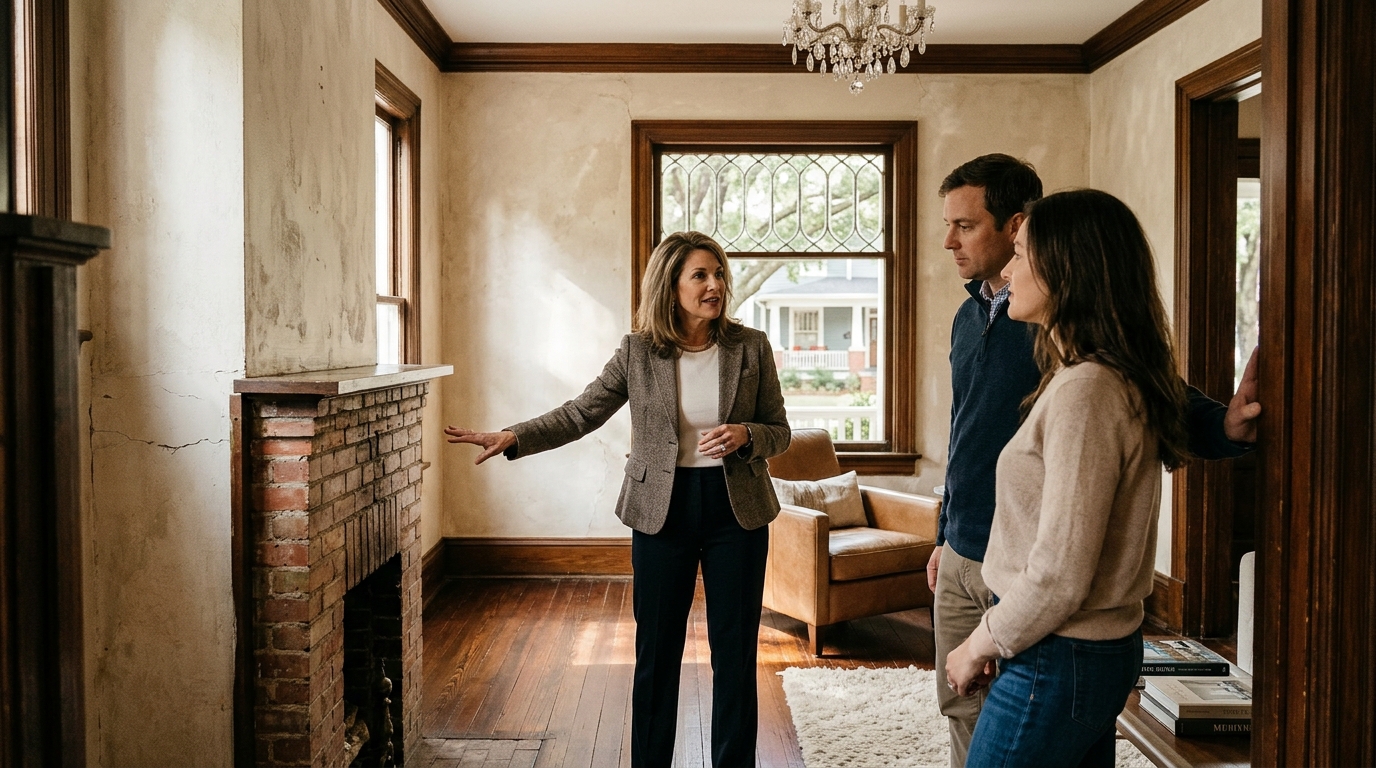
Look for an agent who can name specific streets, architectural styles, and structural quirks in neighborhoods like Mordecai or Historic Oakwood. A true expert discusses foundation shifts, original wiring, and historic district rules without hesitation. Anne Godwin Realtor specializes in these complex properties, helping buyers navigate the unique challenges of Raleigh's historic core with confidence and precision.
Architectural Fluency and Style Identification
Inside the Beltline (ITB) is not a single market; it is a patchwork of distinct eras. A knowledgeable realtor can identify a Queen Anne Victorian in Historic Oakwood or a Colonial Revival in Hayes Barton at a glance. They understand that architectural integrity is a primary driver of value in these areas. For example, an agent should know that the original woodwork in a 1920s Five Points home is a premium feature, not a liability to be torn out.
This fluency extends to understanding how different styles age. A Tudor Revival in Mordecai has different maintenance needs than a Cape Cod in Anderson Heights. If an agent cannot distinguish between these styles or explain why a specific feature adds value, they are likely generalists. You want a specialist who sees the home as a piece of history, not just a square footage count.
Structural Awareness and Age-Related Risks
Older homes in Raleigh often sit on different soil conditions than modern subdivisions. A realtor who understands older homes knows that foundation movement is a common conversation in neighborhoods like Budleigh or Country Club Hills. They should be able to explain the difference between normal settling and structural failure. This knowledge is critical because it affects insurance costs and future renovation budgets.
Consider the electrical systems. Many ITB homes were built before modern code standards. An expert will proactively discuss the risks of knob-and-tube wiring or aluminum wiring. They will know which inspectors specialize in historic structures. This level of detail shows that the agent has actually walked through these types of properties many times, rather than just listing them.
Navigating Historic District Regulations
Many ITB neighborhoods are designated historic districts, which adds a layer of complexity to any renovation. A true expert understands the rules governing exterior changes, such as paint colors, window replacements, and roof materials. For instance, in Hayes Barton, which was added to the National Register of Historic Places in 2002, there are specific guidelines for maintaining the neighborhood's character.
If you plan to update a home, your realtor should know the approval process before you buy. They can tell you if a new porch or a changed facade requires a permit from the city. Ignoring these rules can lead to fines or forced reverts. An agent who has never dealt with a historic district review board is not the right choice for a property in these protected areas.
Inventory Knowledge and Off-Market Access
Quality older homes in ITB neighborhoods rarely stay on the market for long. A specialist has a network of owners who trust them with off-market opportunities. They know which streets have the best curb appeal and which lots have the most privacy. This insider knowledge allows them to present you with options before they appear on the public MLS.
For example, an agent might know that a specific home in Glenwood-Brooklyn is likely to come on the market in the spring. They can prepare you with financing and inspection plans in advance. This proactive approach is a hallmark of a realtor who truly understands the rhythm of the older home market in Raleigh.
Questions to Verify Their Expertise
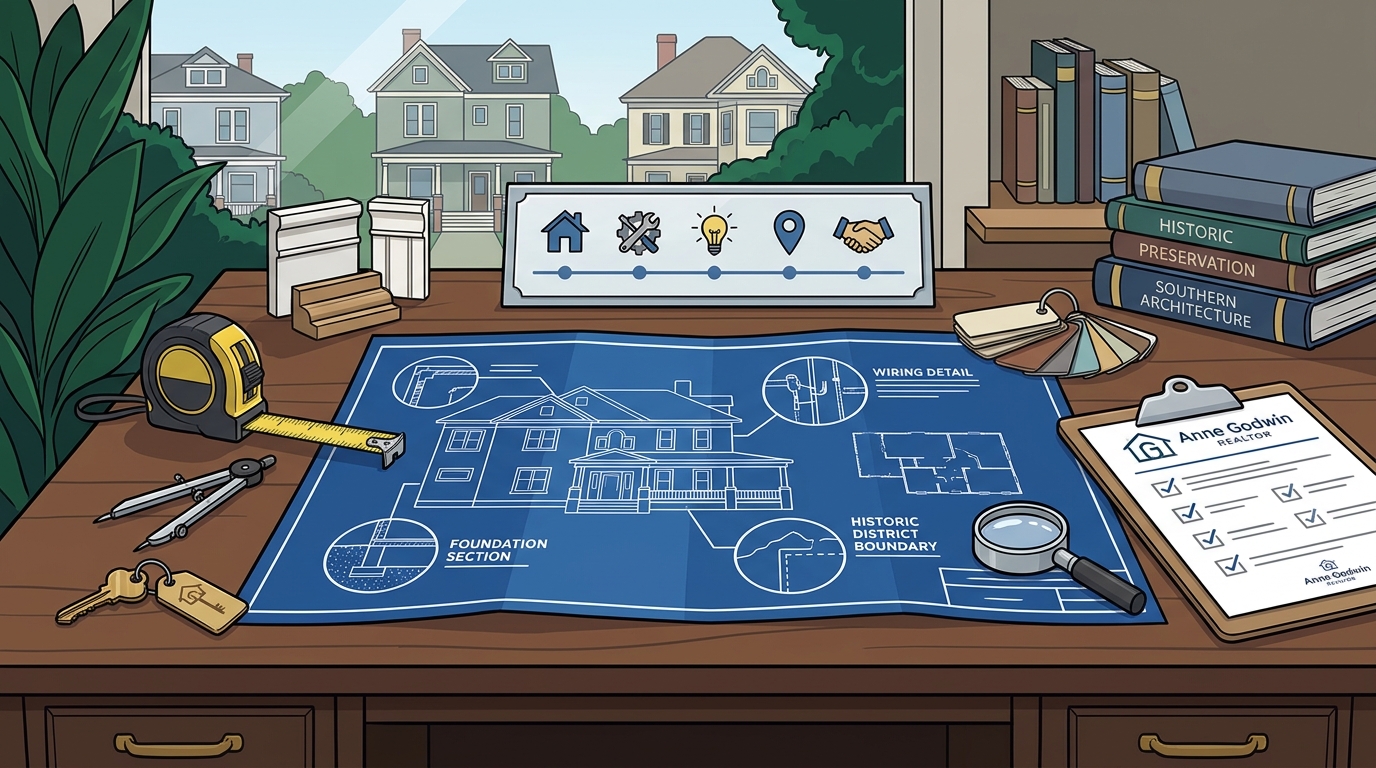
When interviewing agents, ask specific questions that only a local expert can answer. Ask them to name three recent sales in your target neighborhood and explain why those homes sold at their respective prices. Ask them about the specific challenges of buying a home built before 1950 in Raleigh. Their answers will reveal whether they have deep, practical experience or just surface-level knowledge.
Also, ask for references from past clients who bought older homes. A confident specialist will provide these readily. If they hesitate or give vague answers, it is a red flag. You are hiring a guide for a complex journey, and you need someone who has walked the path many times.
Key Takeaways
- True expertise is demonstrated by the ability to identify specific architectural styles and their value drivers.
- Agents must understand the structural risks associated with aging foundations and electrical systems in Raleigh.
- Knowledge of historic district regulations is essential for any renovation plans in protected ITB neighborhoods.
- Specialists have access to off-market inventory and understand the specific rhythms of each neighborhood.
- Ask for recent comparable sales and client references to verify their hands-on experience with older homes.
- A generalist may list older homes, but only a specialist can navigate the unique legal and structural complexities.
Frequently Asked Questions
What is the difference between a historic home and an older home?
Why are older homes in Raleigh more difficult to insure?
Older homes often have outdated materials and systems that do not meet modern code standards. Insurance companies may require upgrades to electrical or plumbing systems before providing coverage, which can increase premiums or limit policy options.
How do I know if a realtor has experience with historic districts?
Ask them to describe the approval process for exterior changes in a specific neighborhood like Hayes Barton or Mordecai. If they can explain the permit process and cite recent examples, they likely have practical experience.
What should I look for in a home inspection for an older ITB home?
Look for an inspector who specializes in historic structures. They should be able to distinguish between cosmetic aging and structural issues. They should also be familiar with the specific soil conditions in Raleigh that affect older foundations.
Can I renovate an older home in a historic district?
Yes, but you must follow the district's guidelines. Exterior changes usually require approval from a historic review board. Interior changes are often less restricted, but you should still consult with your realtor and the city to ensure compliance.
Find Your Expert Guide in Raleigh
Navigating the older home market in Raleigh's Inside the Beltline requires more than just a license; it requires deep local knowledge and a passion for historic preservation. Anne Godwin Realtor brings this expertise to every client, ensuring you make a confident and informed decision. Whether you are buying a charming bungalow in Mordecai or a stately Victorian in Oakwood, having the right guide makes all the difference. to start your search with a specialist who truly understands the homes you love.