
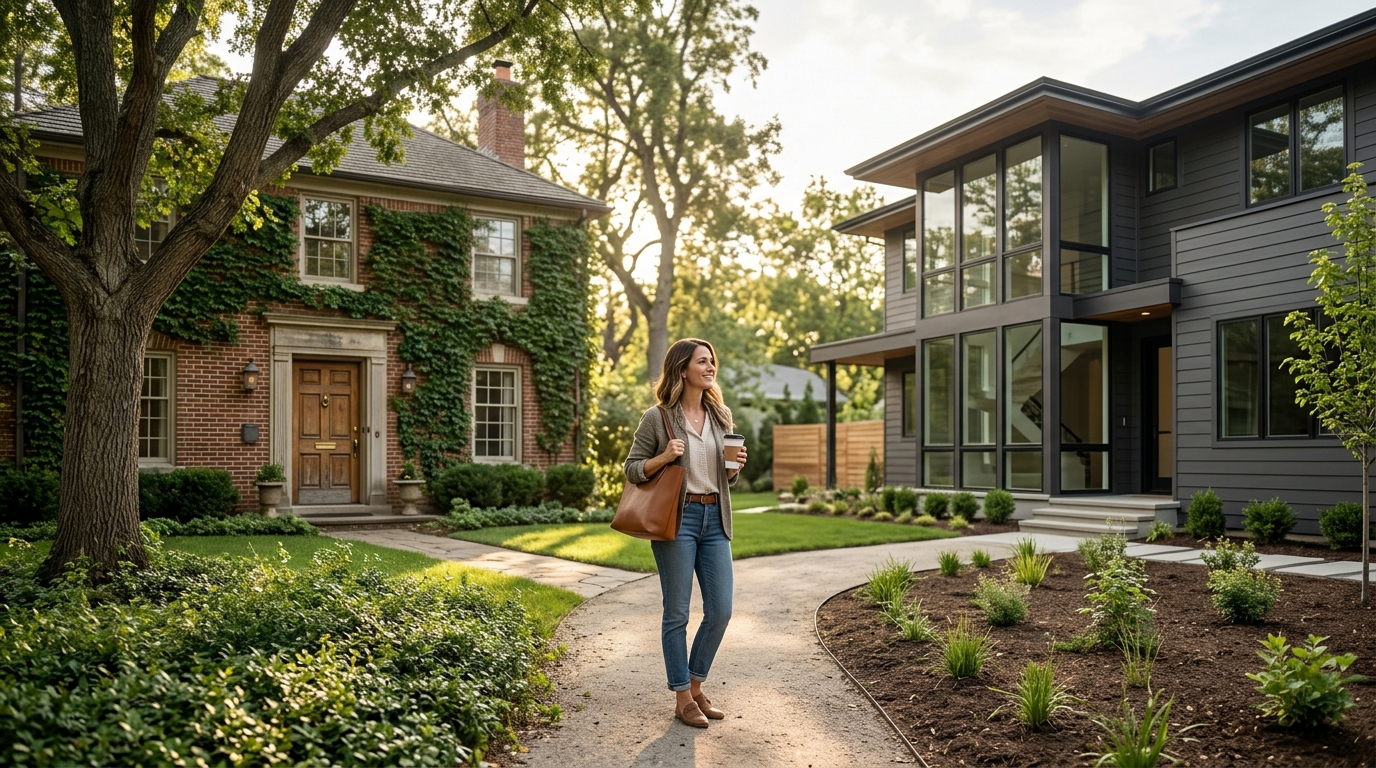
For relocating families, the choice between a historic home and a new build depends on your tolerance for maintenance versus your desire for turnkey convenience. Historic homes offer unmatched character and established community roots, while new builds provide modern energy efficiency and shorter move-in timelines. This guide breaks down the critical factors to help you decide which path fits your lifestyle and budget.
Energy Efficiency
Upgrading Older Systems
If you choose a historic home, you should budget for specific upgrades. Replacing windows with energy-efficient models is one of the most impactful changes you can make. Additionally, adding attic insulation and sealing air leaks around doors and windows can dramatically improve comfort. These projects are not just about saving money; they are about making the home livable for a family in all seasons.
Move-In Timeline
The move-in timeline is a critical factor for relocating families. A new build is a construction project that follows a specific schedule. Once the builder completes the final walkthrough and you sign the closing documents, you can move in immediately. There is no waiting period for repairs or renovations. This immediacy is a major advantage for families who need to be settled before the school year starts or before a job begins.
Buying a historic home is a process that often extends well beyond the closing date. You may need to complete repairs, install new systems, or finish interior work before the home is truly ready for daily life. This timeline can range from a few weeks to several months, depending on the scope of the work. You must plan your relocation with this buffer in mind. If you have a strict deadline, a new build or a move-in ready historic home is the safer choice.
Planning for Delays
Construction delays are common in new builds due to weather or supply chain issues. However, these delays are usually communicated in advance. In historic homes, delays often stem from unexpected issues found during renovation, such as old wiring or structural problems. These surprises can push your move-in date back significantly. Always build a buffer into your relocation plan to account for these potential setbacks.
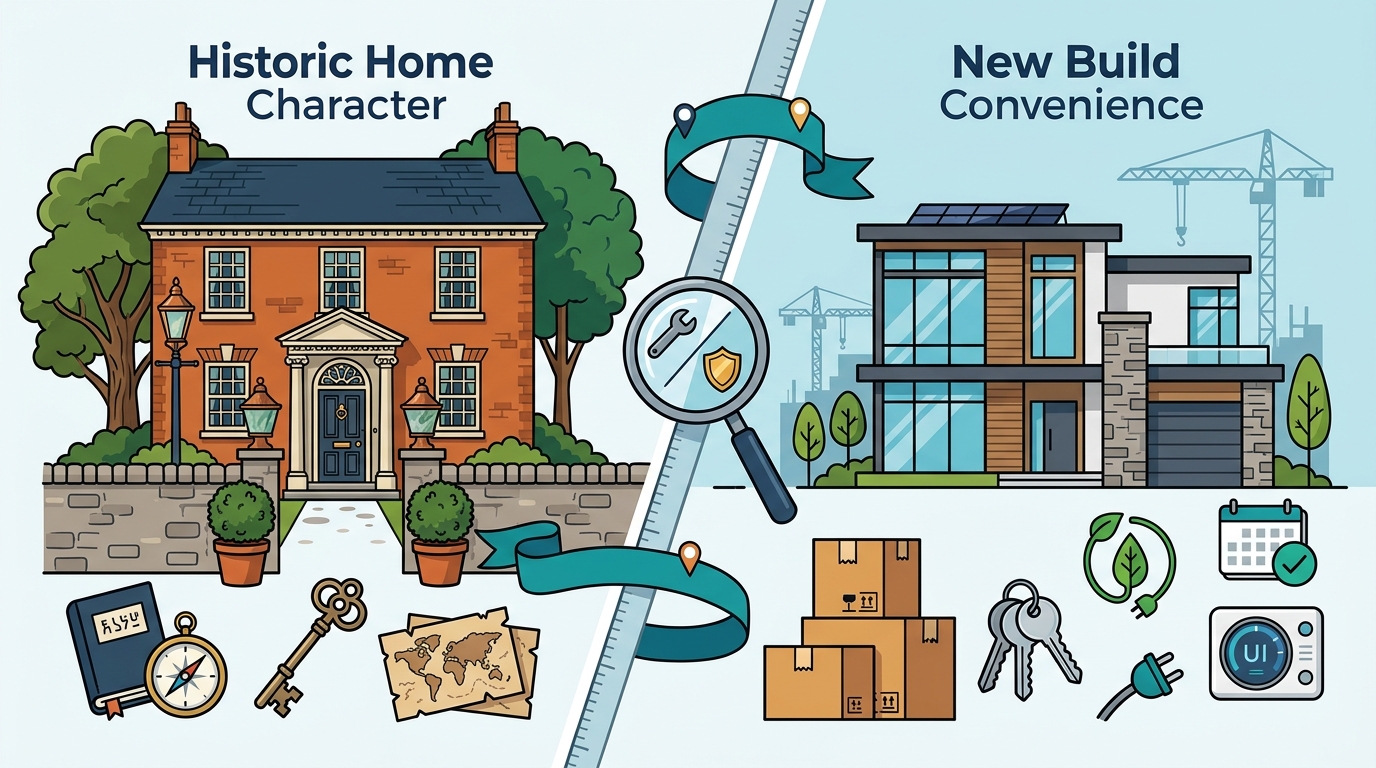
Historic Home Character
Historic home character is the primary reason many families choose older properties. These homes feature architectural details that are no longer available in new construction. Think of high ceilings, hardwood floors, crown molding, and unique window shapes. These elements create a sense of permanence and history that new builds simply cannot replicate. For families who value aesthetics and a sense of place, this character is invaluable.
New builds are a product of modern design trends, which often favor open floor plans and minimalist aesthetics. While these designs are functional and stylish, they can feel generic. The lack of unique architectural features means that a new build may not stand out as much as a well-preserved historic home. If you want a home that tells a story and has a distinct personality, a historic property is the clear winner.
Architectural Styles in Raleigh
Established Neighborhoods
Established neighborhoods are a key benefit of buying a historic home. These areas have mature trees, well-worn streets, and a strong sense of community. The infrastructure is in place, with established schools, parks, and local businesses. This stability is a major draw for families who want a settled, predictable environment. The neighborhood itself becomes part of the home's value and appeal.
New builds are often located in newer developments on the outskirts of the city. While these areas offer modern amenities and larger lots, they may lack the established community feel of older neighborhoods. The trees are younger, the streets are newer, and the local businesses may still be developing. If community and established infrastructure are top priorities, a historic home in an established neighborhood is the better choice.
Community and Schools
When evaluating a neighborhood, consider the quality of the local schools and the strength of the community. Established neighborhoods often have long-standing school districts with strong reputations. They also tend to have active neighborhood associations and community events. These factors contribute to a higher quality of life and can positively impact your family's daily experience. Research the specific neighborhood to ensure it aligns with your values and needs.
Renovation Costs
Renovation costs are a significant financial consideration for historic home buyers. These costs can range from minor cosmetic updates to major structural repairs. You must budget for these expenses in addition to the purchase price. A common mistake is underestimating the cost of bringing an older home up to modern standards. Always get multiple quotes from licensed contractors before making an offer.
New builds are a fixed-cost investment. The price you pay at closing is the price you pay. There are no hidden renovation costs or unexpected repairs. This financial predictability is a major advantage for families who want to avoid budget overruns. However, you must also consider the cost of customizing a new build. While you can choose finishes and features during the construction process, these upgrades can add significantly to the final price.
Budgeting for the Unexpected
When buying a historic home, it is wise to set aside a contingency fund for unexpected repairs. This fund should cover at least 10% to 15% of the purchase price. This buffer will help you handle any surprises that arise during the renovation process. Without this fund, you may find yourself stretched thin financially, which can cause stress and delay your move-in date. A well-planned budget is essential for a successful historic home purchase.
Comparison Table
| Factor | Historic Home | New Build |
|---|---|---|
| Energy Efficiency | Lower, requires upgrades | High, meets current codes |
| Move-In Timeline | Longer, depends on repairs | Immediate upon closing |
| Character | High, unique architectural details | Low, modern and generic |
| Neighborhood | Established, mature trees | Newer, developing area |
| Renovation Costs | High, unpredictable | Low, fixed at closing |
Key Takeaways
- Historic homes provide unique character and architectural details.
- Move-in timelines are shorter for new builds, which is ideal for strict deadlines.
- Established neighborhoods offer a strong sense of community and stability.
- Renovation costs for historic homes can be high and unpredictable.
- Budgeting for unexpected repairs is essential when buying a historic home.
- The choice depends on your priority: convenience vs. character.
- Working with a local expert can help you navigate this complex decision.
Frequently Asked Questions
Is a historic home more expensive than a new build?
Historic homes often have a lower purchase price than comparable new builds. However, the total cost of ownership can be higher due to renovation and maintenance expenses. You must consider both the upfront cost and the long-term costs when making your decision.
How long does it take to renovate a historic home?
The timeline for renovating a historic home varies widely. Minor updates can take a few weeks, while major renovations can take several months. It is important to work with experienced contractors who understand the challenges of older structures.
Are new builds more energy efficient?
Yes, new builds are significantly more energy efficient than historic homes. They are built to current codes, which require better insulation and more efficient systems. This results in lower utility bills and a more comfortable living environment.
What is the biggest advantage of a historic home?
The biggest advantage of a historic home is its character. These homes feature unique architectural details and a sense of history that new builds cannot replicate. For many families, this character is the most important factor in their decision.
Should I buy a move-in ready historic home?
If you have a strict move-in deadline, a move-in ready historic home is a good option. These homes have already undergone necessary repairs and updates, allowing you to move in immediately. However, they may still require some maintenance over time.
How do I find a reliable contractor for a historic home?
Look for contractors with experience in historic preservation. Ask for references and check their reviews. A good contractor will understand the unique challenges of working with older structures and will be able to provide a detailed estimate and timeline.
What is the best neighborhood for a relocating family?
The best neighborhood depends on your priorities. If you value established community and character, look for a historic neighborhood. If you prefer modern amenities and a shorter move-in timeline, a new build in a newer development may be a better fit.
Can I customize a new build?
Yes, you can customize a new build during the construction process. You can choose finishes, fixtures, and layout options. However, these customizations can add to the final price. It is important to set a budget for upgrades before you start the process.
Conclusion
Choosing between a historic home and a new build is a personal decision that depends on your family's priorities. If you value character and established community, a historic home is the right choice. If you prioritize convenience and energy efficiency, a new build is the better option. By understanding the key factors outlined in this guide, you can make an informed decision that fits your lifestyle and budget.
At Anne Godwin Luxury Living, we specialize in helping relocating families navigate the Raleigh real estate market. Whether you are looking for a historic gem in Mordecai or a modern new build in North Hills, we are here to guide you every step of the way. Contact us today to start your search for the perfect home.