

How to Choose a Luxury Property
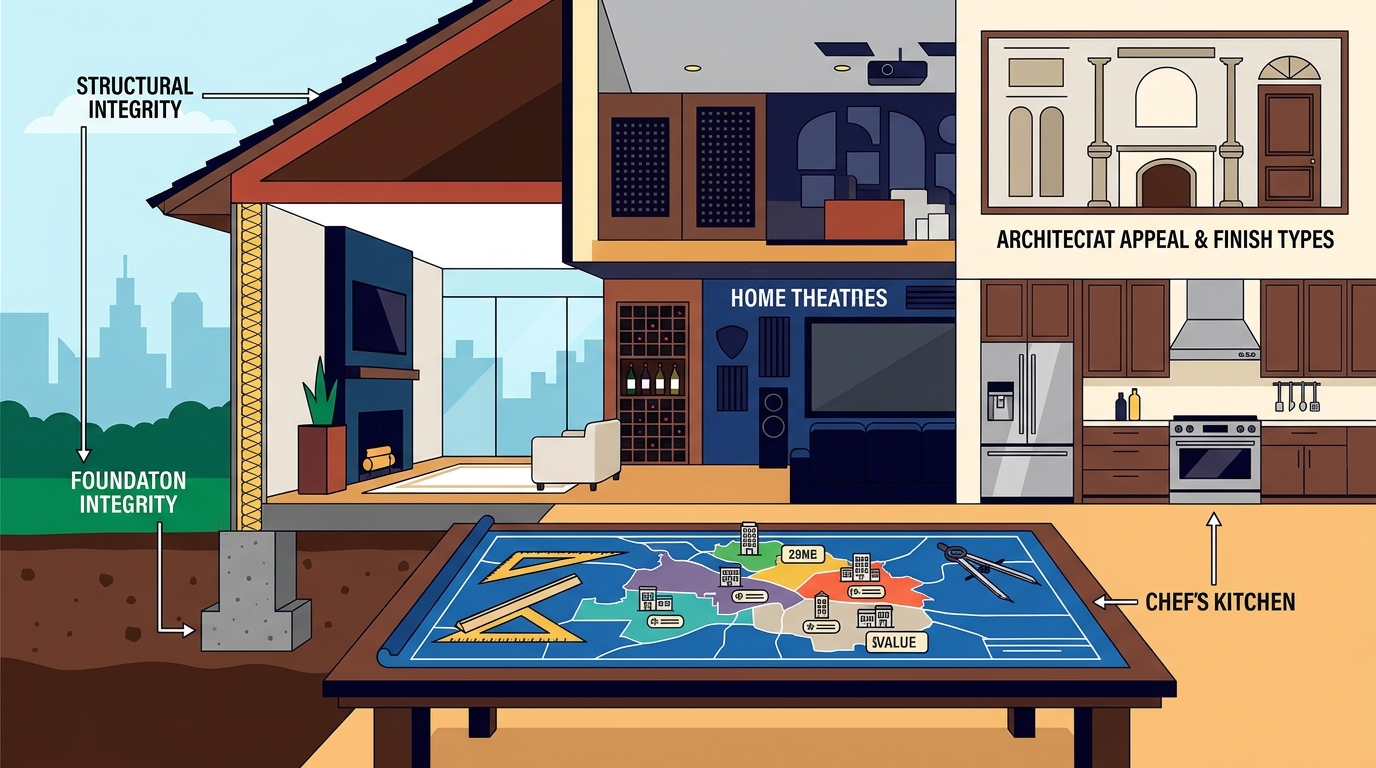
Choosing a luxury home requires looking beyond the square footage. A luxury home is a property that offers superior quality, location, and lifestyle amenities. You must evaluate the structural integrity and the aesthetic appeal of the residence. The location within the city plays a critical role in the overall value proposition.
Evaluating Location and Neighborhood
Proximity to amenities defines the desirability of a luxury address. Buyers often prioritize neighborhoods with high walkability scores and access to top-tier dining. The character of the street, including tree coverage and architectural consistency, matters significantly. A quiet, established street often commands a premium over a busier commercial corridor.
Assessing Construction Quality
High-end finishes are a hallmark of the luxury segment. You should inspect the quality of cabinetry, flooring, and appliance packages. Custom features, such as smart home integration and high-end landscaping, add tangible value. The reputation of the builder or the age of the historic structure also influences the decision.
Questions to Ask Before Committing
Property History and Maintenance
Ask the seller for a complete history of major repairs and renovations. Documentation of roof replacements, HVAC systems, and foundation work is crucial. Inquire about any known water intrusion issues or pest problems. Transparent answers from the seller build trust and provide a baseline for negotiations.
Financial and Legal Implications
Understand the annual property tax assessment and any special assessments. Ask about the Homeowners Association (HOA) rules and financial health if applicable. Clarify the status of any easements or encumbrances on the land. These details directly impact your monthly budget and long-term flexibility.
Verifying Claims and Credentials
Verifying the accuracy of seller claims is a standard part of the inspection process. You should not rely solely on verbal assurances regarding the condition of the home. Independent verification protects your investment and ensures you are paying for what you expect.
Independent Inspections
Hire a licensed home inspector to conduct a thorough evaluation. For luxury properties, consider specialized inspections for structural, electrical, and plumbing systems. Verify the age and condition of major components through physical inspection. The inspector's report provides an objective view of the property's current state.
Market Data Validation
Validate the asking price against recent comparable sales in the area. A real estate agent can provide a Comparative Market Analysis (CMA) to support the pricing. Check public records for the property's tax history and ownership chain. This data helps you determine if the price reflects the true market value.
The Transaction Process
The process of buying a luxury home follows a structured sequence of steps. Understanding this timeline helps you prepare for each phase. The process typically takes 30 to 60 days from offer to closing.
Offer and Negotiation
Due Diligence and Closing
After the contract is signed, the due diligence period begins. This is the time for inspections, appraisals, and title searches. Once all conditions are met, the transaction moves to closing. At closing, funds are transferred, and the deed is recorded in your name.
Price Drivers and Costs
Several factors drive the price of luxury homes in Raleigh. Understanding these drivers helps you budget accurately. The total cost includes the purchase price, closing costs, and ongoing maintenance.
Location Premiums
Neighborhoods inside the Beltline often command higher prices due to limited inventory. Proximity to downtown amenities and top-rated schools adds to the cost. The scarcity of land in these areas creates a natural price floor. Buyers must be prepared to pay a premium for prime locations.
Construction and Features
Common Mistakes to Avoid
Buyers often make errors that can impact their investment. Avoiding these common pitfalls ensures a smoother transaction. Staying informed and working with experienced professionals is key to success.
Underestimating Maintenance Costs
Luxury homes require significant ongoing maintenance. Buyers often underestimate the cost of landscaping, pool care, and system upkeep. Budgeting for these expenses prevents financial strain later. A realistic maintenance budget is essential for long-term ownership.
Rushing the Decision
Comparing Alternatives
Buyers often compare luxury homes in Raleigh with other options. Understanding the differences helps you make the best choice for your needs. Each alternative has its own set of pros and cons.
Resale vs. New Construction
Local vs. Regional Markets
Raleigh offers a vibrant urban lifestyle with high-quality amenities. Surrounding areas may offer more space for a lower price. The choice depends on your lifestyle preferences and budget. Consider your daily commute and access to key services when comparing locations.
Specific Buyer Scenarios
Different buyers have different needs and goals. Tailoring your search to your specific situation ensures a better fit. Your personal circumstances will influence the type of property you should consider.
Relocating Professionals
Professionals moving to Raleigh often prioritize proximity to work and amenities. They may prefer a low-maintenance home in a walkable neighborhood. Access to top-rated schools is also a key factor for families. A targeted search can help you find the right property quickly.
Investors
Investors look for properties with strong rental potential and appreciation. They may focus on areas with high demand and limited supply. Cash flow and exit strategy are critical considerations. Working with an experienced agent can help you identify the best investment opportunities.
Rules and Buyer Protections
North Carolina real estate laws provide specific protections for buyers. Understanding these rules helps you navigate the transaction safely. Legal protections ensure a fair and transparent process.
Contractual Protections
The purchase contract outlines the rights and responsibilities of both parties. Contingencies, such as inspection and financing, protect the buyer. These clauses allow you to withdraw from the deal if certain conditions are not met. Reviewing the contract with a legal professional is recommended.
Disclosure Requirements
Local Neighborhood Specifics
Raleigh's luxury market is diverse, with distinct characteristics in each neighborhood. Understanding these local specifics helps you choose the right area. Each neighborhood offers a unique blend of history, architecture, and lifestyle.
Inside the Beltline (ITB)
ITB neighborhoods like Mordecai, Five Points, and Hayes Barton are highly sought after. These areas feature historic homes and vibrant local businesses. Inventory is limited, and prices reflect the high demand. The walkable nature of these neighborhoods is a major draw for buyers.
Established Suburbs
Areas like Budleigh and Country Club Hills offer larger lots and newer construction. These neighborhoods provide a quieter, more private living experience. They are popular with families and professionals seeking space. The price range in these areas is typically higher than in ITB neighborhoods.
Market Timing Strategies
Timing your purchase can significantly impact the outcome. Market conditions change, and acting at the right time can save you money. Understanding seasonal trends helps you make a strategic decision.
Seasonal Trends
Spring and summer are peak seasons for real estate transactions. Competition is higher, and prices may be elevated. Winter months often see fewer listings and less competition. Buying in the off-season can provide more negotiating power.
Market Cycles
Long-Term Value and Results
Investing in a luxury home in Raleigh offers strong long-term value. The market has shown consistent growth over the years. Understanding the long-term outlook helps you make a confident investment.
Appreciation Potential
Raleigh's economy is driven by technology, finance, and healthcare. This growth supports steady real estate appreciation. Luxury properties in prime locations tend to hold their value well. Long-term appreciation can provide significant wealth building.
Lifestyle Benefits
Key Takeaways
- Location is the primary driver of price, with ITB neighborhoods commanding a premium.
- Thorough due diligence, including inspections and market analysis, is essential.
- Understanding the transaction process helps you prepare for each phase.
- Comparing resale and new construction helps you find the best fit for your needs.
- North Carolina laws provide specific protections for buyers in real estate transactions.
- Long-term appreciation in Raleigh is supported by a strong and diverse economy.
Frequently Asked Questions
What is the average price of a luxury home in Raleigh?
Which neighborhoods are considered luxury in Raleigh?
Neighborhoods like Mordecai, Five Points, Hayes Barton, Budleigh, and Country Club Hills are considered luxury areas. These locations offer high-quality homes, desirable amenities, and strong community character.
How long does it take to buy a luxury home in Raleigh?
The process typically takes 30 to 60 days from offer to closing. The timeline can vary depending on the complexity of the transaction and the speed of inspections and appraisals.
What are the main costs associated with buying a luxury home?
Main costs include the purchase price, closing costs, property taxes, and ongoing maintenance. Buyers should also budget for potential renovations and upgrades to the property.
Is it better to buy a resale or new construction luxury home?
The choice depends on your preferences. Resale homes offer established neighborhoods and character, while new construction provides modern features and warranty coverage. Consider your lifestyle needs and budget when making this decision.
What protections do buyers have in North Carolina?
Buyers are protected by state laws that require sellers to disclose known material defects. Contractual contingencies also provide protections, allowing buyers to withdraw if certain conditions are not met.
Conclusion
Navigating the luxury real estate market in Raleigh requires knowledge, strategy, and the right guidance. By understanding price ranges, local specifics, and the transaction process, you can make a confident decision. Contact Anne Godwin Luxury Living to explore your options and find the perfect home for your lifestyle.