
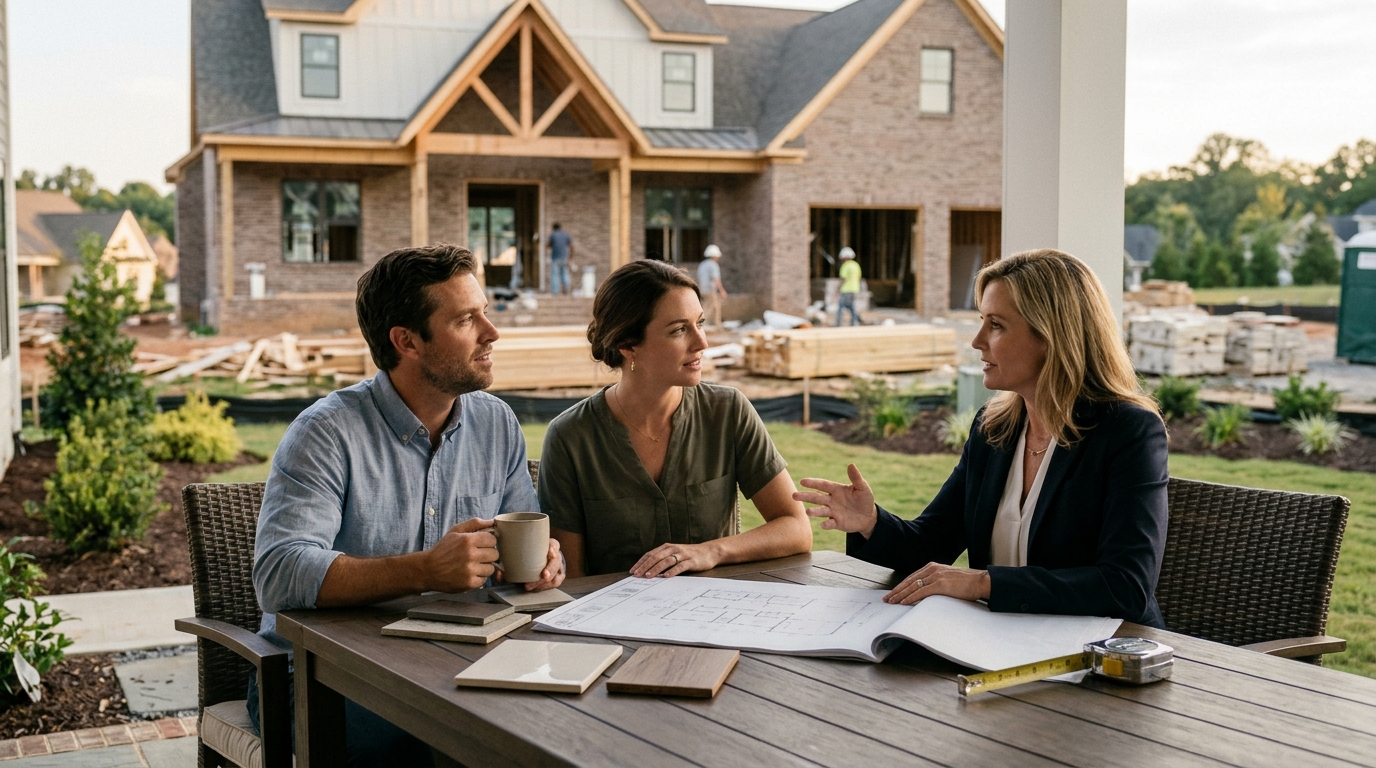
Buying new construction in Raleigh requires a different negotiation strategy than purchasing an existing home. You are not just negotiating the price of the house; you are negotiating the terms of a contract with a builder who controls the timeline, the upgrades, and the final product. Understanding these specific leverage points helps you secure a better deal and avoid costly surprises. This guide outlines the critical areas where buyers can make significant financial and practical gains. For additional details, review the Contact Top Real Estate.
1. Negotiate the Base Price and Incentives
Do not accept the sticker price as the final number. Builders often have built-in margins that allow for negotiation, especially on the base price of the home. Ask about current incentives, such as closing cost credits, rate buydowns, or upgrade packages, which can be more valuable than a direct price reduction. In the Raleigh market, where inventory varies by neighborhood, builders may be more flexible to close a deal quickly.
2. Secure a Comprehensive Upgrade Allowance
Upgrade allowances are a primary source of value in new builds. Instead of paying full price for every premium finish, negotiate a lump-sum allowance that you can apply to specific upgrades like flooring, cabinetry, or appliances. This gives you flexibility to prioritize the features that matter most to your lifestyle while keeping the overall cost under control. Ensure the allowance is clearly defined in the contract to avoid disputes over what is covered.
3. Define the Construction Timeline and Delay Penalties
4. Negotiate the Inspection and Punch List Process
Ensure you have the right to independent inspections at key milestones. Standard builder contracts often limit inspections to their own team, but you should negotiate the right to bring in a third-party inspector for pre-drywall, pre-dry-in, and final inspections. This allows you to identify and document issues before they are covered up, ensuring the builder addresses them during the punch list phase. A thorough punch list process is your final line of defense for quality control.
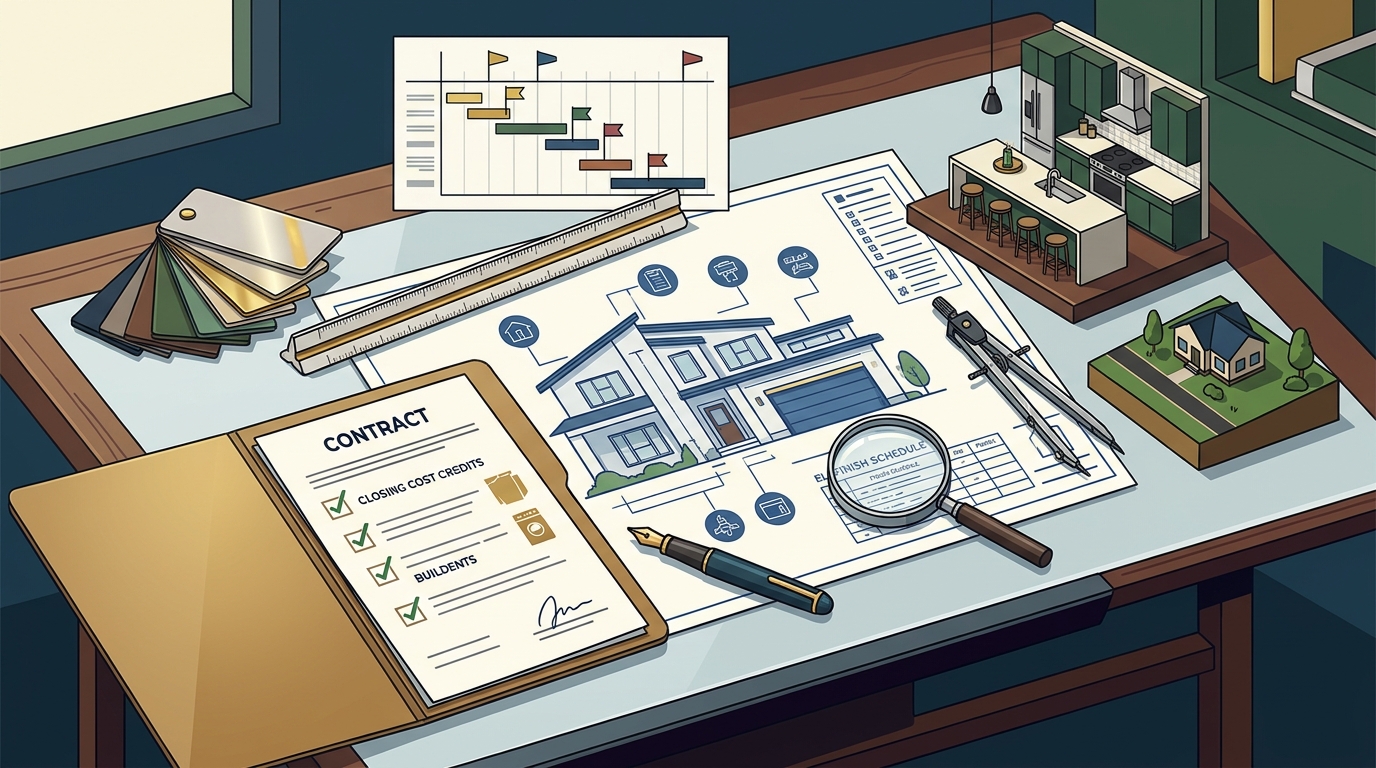
5. Clarify Warranty Terms and Coverage
Understand exactly what is covered and for how long. Most new homes come with a one-year workmanship warranty, but you should negotiate extended coverage for major systems like the roof, HVAC, and structural elements. Ask about the builder's specific warranty program and whether it can be transferred or extended. Clear warranty terms protect your investment and reduce your out-of-pocket costs for repairs in the first few years of ownership.
6. Negotiate the Lot Selection and Site Costs
Lot selection can significantly impact your total budget. In many Raleigh developments, the lot price is separate from the home price, and premium lots with better views or larger sizes cost more. Negotiate the lot price or ask for credits that can be applied to the lot cost. Additionally, clarify who is responsible for site work, such as grading, utilities, and landscaping, to avoid unexpected fees at closing.
7. Review the Change Order Process
Understand the cost and timeline impact of changes after the contract is signed. Builders often charge a premium for change orders made after construction has begun. Negotiate a clear process for requesting changes and ensure you receive written estimates before approving any modifications. This helps you manage your budget and avoid surprise costs that can erode the value of your negotiation.
Frequently Asked Questions
Can I negotiate the price of a new construction home in Raleigh?
Yes, the base price of a new construction home is often negotiable. Builders may offer incentives or discounts, especially if the home has been on the market for a while or if you are a cash buyer. It is important to research comparable sales in the neighborhood to determine a fair price range.
What is an upgrade allowance in new construction?
Should I hire a real estate agent to buy new construction?
Yes, hiring a buyer's agent is highly recommended. An agent can negotiate on your behalf, review the builder's contract, and ensure you are getting the best possible terms. They can also help you navigate the inspection process and advocate for your interests throughout the construction timeline.
What are liquidated damages in a construction contract?
Liquidated damages are a pre-agreed amount of money the builder pays you for each day the construction is delayed beyond the agreed-upon completion date. This compensates you for the inconvenience and potential costs associated with the delay, such as extended rent or storage fees.
How do I handle change orders during construction?
Always get a written estimate for any change order before approving it. This document should detail the cost, the timeline impact, and the specific changes being made. Avoid verbal agreements, as they are difficult to enforce and can lead to disputes over cost and schedule.
What is a punch list in new construction?
A punch list is a detailed list of items that need to be repaired or completed before the final walk-through and closing. It includes any defects or incomplete work identified during inspections. The builder is responsible for addressing all items on the punch list before you take possession of the home.